Same Day Emergency Appointments Available!

Invisalign Timeline in Mountain Lakes, NJ
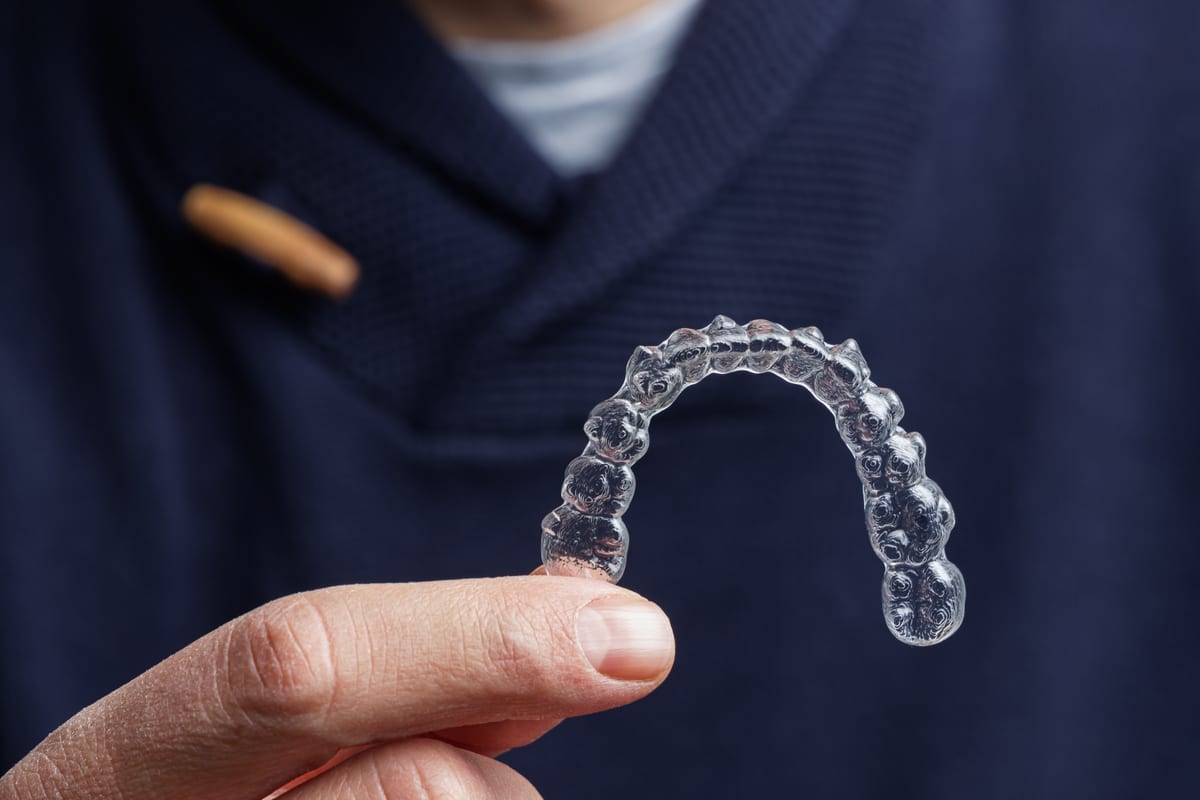
If you have been considering Invisalign near Mountain Lakes, NJ, you have probably wondered how long treatment actually takes. Why your Invisalign timeline might be shorter or longer than expected in Mountain Lakes depends on several factors unique to each patient. Understanding those factors helps you set realistic goals before you ever put in your first aligner tray. Dr. Charles Matarazzo and the team at Denville Dental Group want every patient to walk in informed and walk out confident.
What Is the Average Invisalign Timeline in Mountain Lakes?
Most adults complete Invisalign treatment in 12 to 18 months. Mild to moderate alignment issues can resolve in as few as 6 months. More complex cases, such as significant crowding or bite problems, can extend treatment to 24 months or beyond. Your specific timeline depends on where your smile starts and where you want it to finish.
Teenagers tend to have different timelines than adults. Teen aligner programs often include compliance indicators that track wear time. Adults typically progress faster because their habits are more consistent. No two treatment plans look exactly the same, even for patients living in the same Mountain Lakes neighborhood.
During your initial consultation, Dr. Matarazzo uses digital scanning to map your current tooth positions. That scan generates a precise virtual treatment plan. You will see a projected end date before treatment even begins. That projection is a guideline, not a guarantee.
Factors That Can Shorten Your Invisalign Timeline
Some patients finish Invisalign faster than their original estimate. Several factors make that possible.
- Mild alignment issues: Small gaps or minor crowding require fewer aligner sets to correct.
- Consistent 22-hour wear: Wearing aligners as prescribed accelerates tooth movement significantly.
- Prompt tray changes: Switching to the next tray on schedule keeps momentum going.
- Good oral health: Healthy gums and teeth move more predictably than compromised ones.
- Attending all check-up appointments: Regular visits let Dr. Matarazzo catch and correct small issues early.
Patients who commit fully to the process often reach their goal smile ahead of schedule. Think of Invisalign as a partnership between you and your dental team. Your daily habits drive most of the progress. The aligners can only work when they are in your mouth.
Factors That Can Extend Your Invisalign Timeline
Just as some habits speed things up, others slow them down. Knowing these risks helps Mountain Lakes patients avoid common pitfalls.
- Wearing aligners less than 22 hours per day: Even a few hours off each day adds weeks to your timeline.
- Skipping or delaying check-up appointments: Missed visits mean delayed tray progressions.
- Complex bite corrections: Overbites, underbites, and crossbites require more aligner stages.
- Lost or damaged trays: Replacing a tray takes time and can disrupt tooth movement.
- Gum or bone issues: Untreated gum disease slows or halts tooth movement entirely.
Refinements are another common reason timelines extend. Refinements are additional aligner sets created mid-treatment to fine-tune results. They are not a sign that something went wrong. They are a normal part of achieving a precise, beautiful outcome.
Dr. Matarazzo discusses all these possibilities during your consultation. Knowing what to expect prevents frustration later. Transparency is a core part of care at Denville Dental Group.
Why Compliance Is the Biggest Timeline Factor
No single factor influences your Invisalign timeline more than patient compliance. Aligners work through consistent, gentle pressure on your teeth. Remove them too often, and that pressure disappears. Your teeth do not move as planned, and your timeline grows longer.
The 22-hour rule is not a suggestion. It is a clinical requirement for the treatment to work as designed. That leaves two hours per day for eating, drinking anything other than water, and brushing. Many Mountain Lakes patients find that routine easy to build within the first two weeks.
Compliance also means keeping your aligners clean. Dirty aligners can cause gum irritation, which slows tooth movement. Rinse trays every time you remove them. Brush gently with a soft toothbrush and cool water. Avoid soaking them in hot water, which warps the plastic.
Finally, compliance means following all instructions for Restorative Dentistry needs before and during treatment. If Dr. Matarazzo recommends addressing a cavity or gum issue first, that step protects your timeline and your long-term results.
What Happens After Invisalign Treatment Ends?
Finishing your last aligner tray is a major milestone. But the work does not stop there. Retention is a critical phase that most patients underestimate.
After Invisalign, your teeth will naturally want to drift back toward their original positions. Wearing a retainer prevents that relapse. Most patients wear their retainer full-time for several months, then transition to nighttime-only wear. Skipping retainer use can undo months of progress.
Some patients also choose additional cosmetic treatments after Invisalign to complete their smile transformation. Professional teeth whitening is a popular next step. Others explore veneers for chipped or discolored teeth that aligners cannot correct.
In certain cases, patients need Dental Implant Restoration to replace a missing tooth before or after Invisalign treatment. Implants restore function and preserve the spacing aligners worked hard to create. Dr. Matarazzo coordinates all of these services under one roof at Denville Dental Group.
Conclusion: Your Smile Is Worth the Wait
Understanding why your Invisalign timeline might be shorter or longer than expected in Mountain Lakes empowers you to take control of your results. Treatment length varies, but your commitment is the one variable you control completely. The patients who finish fastest are almost always the ones who wear their trays consistently, attend every appointment, and follow their dentist’s guidance without shortcuts.
Dr. Charles Matarazzo and the Denville Dental Group team are proud to serve patients throughout Mountain Lakes and the surrounding Denville, NJ area. We combine clinical expertise with genuine care to make your Invisalign experience as smooth as possible. Book Now to schedule your appointment with our team.
Frequently Asked Questions
How long does Invisalign typically take for adults?
Most adults complete Invisalign in 12 to 18 months. Mild cases may finish in as few as 6 months, while complex bite corrections can take up to 24 months. Dr. Matarazzo provides a personalized estimate after reviewing your digital scan at your initial consultation.
What happens if I do not wear my aligners for 22 hours a day?
Wearing aligners for fewer than 22 hours daily slows tooth movement significantly. This can extend your overall treatment timeline by weeks or months. It may also require additional refinement trays to achieve the planned result. Consistent wear is the single most important factor in staying on schedule.
Can I speed up my Invisalign treatment?
The most effective way to stay on or ahead of schedule is strict compliance with your wear time and tray change schedule. Some patients use AcceleDent or similar vibration devices to support tooth movement, but this option should always be discussed with Dr. Matarazzo first. Never skip trays or change them early without professional guidance.
What are Invisalign refinements and do they extend my timeline?
Refinements are supplemental aligner sets made mid-treatment to fine-tune tooth positions. They are common and do add some time to your total treatment. However, they are a sign that your dentist is pursuing a precise, high-quality outcome rather than stopping short of your best result.
Do I need a retainer after finishing Invisalign?
Yes, wearing a retainer after Invisalign is essential to prevent teeth from drifting back. Most patients wear retainers full-time for several months and then switch to nighttime wear. Skipping retainer use is one of the most common reasons patients see their results shift over time.