Same Day Emergency Appointments Available!

Dental Implants vs. Dentures vs. Bridges Denville, NJ
Losing a tooth — or several — is more common than most people realize. The good news is that modern dentistry offers several strong options for replacement. Understanding dental implants vs. dentures vs. bridges: which is right for you in Denville can feel overwhelming without guidance. This article breaks down each option so you can make a confident, informed decision alongside Dr. Charles Matarazzo at Denville Dental Group.
Understanding Your Tooth Replacement Options in Denville
Before comparing treatments, it helps to understand what each one actually does. All three options restore missing teeth and protect your oral health. However, they differ significantly in how they work, how long they last, and how they feel day to day. Restorative Dentistry at Denville Dental Group covers all of these solutions under one roof.
A dental bridge uses the two teeth on either side of a gap as anchors. A false tooth — called a pontic — sits between them. Bridges are fixed, meaning they stay in your mouth permanently.
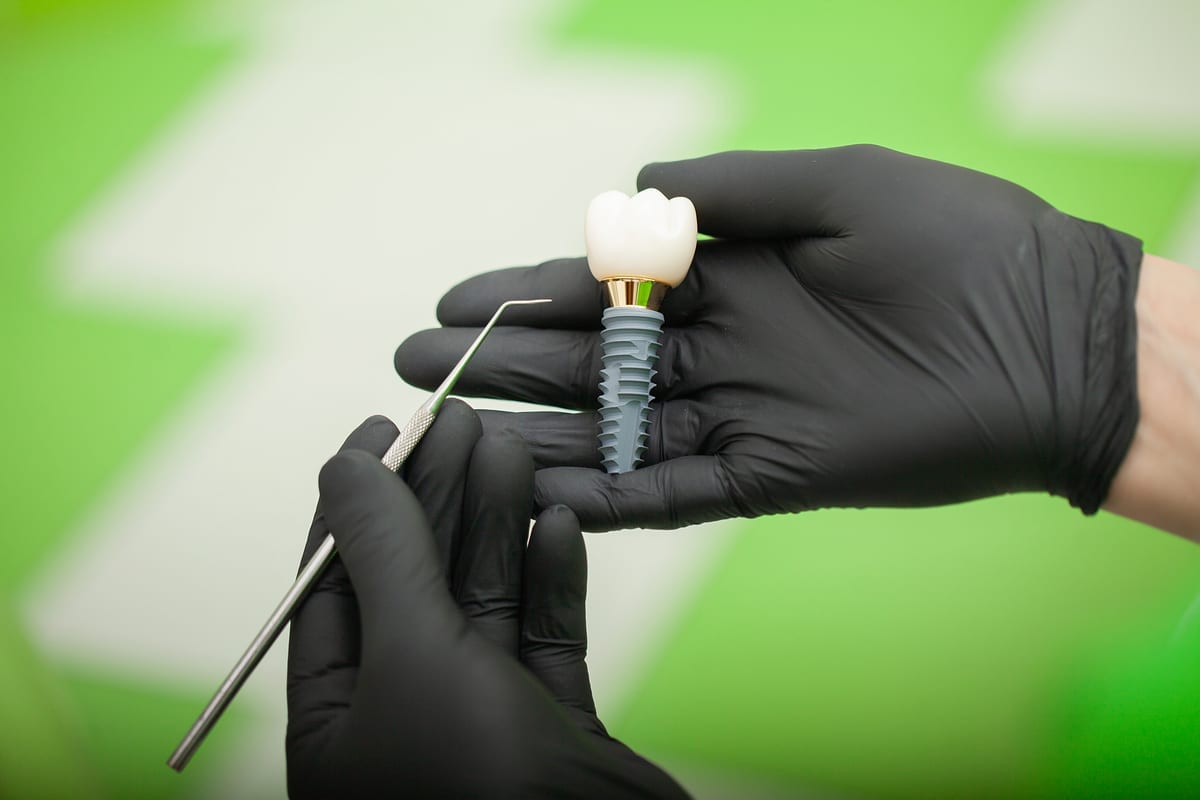
Dentures are removable appliances that replace multiple missing teeth. They rest on the gums and can cover a full arch or just a partial section. Dental implants are titanium posts surgically placed into the jawbone. They act as artificial roots and support a crown, bridge, or even a full arch of replacement teeth.
Dental Implants vs. Dentures vs. Bridges: A Side-by-Side Comparison
Each option has unique strengths. The right choice depends on your health, bone density, budget, and lifestyle. Here is a straightforward comparison to help you weigh your options.
- Dental implants look and function like natural teeth. They preserve jawbone and can last a lifetime with proper care.
- Dental bridges are a faster, less invasive solution. They work best when the neighboring teeth are healthy and strong.
- Dentures are often the most accessible option for patients missing many or all teeth. Modern dentures are more comfortable and natural-looking than older versions.
- Implants require surgery and adequate bone density. Not every patient is an immediate candidate.
- Bridges require shaving down healthy adjacent teeth. This is an irreversible change to your natural smile.
- Dentures may shift over time and require adhesives or periodic adjustments. Some patients find them less convenient for daily life.
Understanding these differences helps you start an honest conversation with Dr. Matarazzo about what fits your specific situation.
When Dental Implants Are the Right Choice
Dental implants are widely considered the gold standard for tooth replacement. They are the only option that actually replaces the tooth root. This matters because the root stimulates the jawbone — without it, bone loss begins. Dental Implant Restoration at Denville Dental Group restores both function and appearance with lasting results.
Implants are a strong fit for patients who:
- Have one or a few missing teeth
- Have sufficient jawbone density to support the implant post
- Are in good general health and are non-smokers (or willing to quit)
- Want a permanent, low-maintenance solution
- Prefer a result that feels completely natural
The implant process takes several months from start to finish. It involves placing the post, allowing it to fuse with the bone, and then attaching the final crown. The timeline is longer — but the results can last decades.
Some patients need a bone graft before implant placement. Dr. Matarazzo will evaluate your bone health during your consultation to determine if this step applies to you.
When a Bridge or Dentures Make More Sense
Implants are not always the best starting point for every patient. There are real situations where a bridge or dentures serve you better — at least in the short term.
A dental bridge may be right for you if:
- You are missing one or two teeth in a row
- Your neighboring teeth already have crowns or significant restorations
- You want a faster solution without surgery
- You do not have enough bone for implants and prefer to avoid grafting
Bridges are reliable and durable. With good oral hygiene, they typically last 10 to 15 years. They require careful cleaning under the pontic to prevent decay at the anchoring teeth.
Dentures are often the best choice if you are missing most or all of your teeth. Full or partial dentures can restore a full smile in a relatively short time. Implant-supported dentures are also available — these combine the stability of implants with the coverage of full dentures. This hybrid option gives patients more security and confidence when chewing and speaking.
Making the Right Decision for Your Smile in Denville
There is no single right answer for everyone. The best tooth replacement option is the one that fits your mouth, your health, and your daily life. Dr. Matarazzo takes time to understand your goals before recommending a treatment path. He will never push you toward a more complex solution if a simpler one meets your needs.
A thorough consultation at Denville Dental Group includes X-rays and a full oral health evaluation. From there, Dr. Matarazzo will walk you through your options clearly and honestly. Patients in Denville, NJ appreciate his straightforward, patient-first approach.
Whether you choose implants, a bridge, or dentures, the most important step is taking action. Living with missing teeth affects your bite, your confidence, and your long-term oral health. You do not have to navigate this decision alone. Book Now to schedule your appointment with our team.
Frequently Asked Questions
How do I know if I am a good candidate for dental implants in Denville?
Good candidates generally have healthy gums, adequate jawbone density, and no uncontrolled health conditions. Dr. Matarazzo evaluates each patient individually during a consultation. Some patients need a bone graft first before implant placement is possible. An in-person exam is the most reliable way to find out if implants are right for you.
Are dental implants more expensive than bridges or dentures?
Dental implants typically have a higher upfront cost than bridges or dentures. However, implants often last a lifetime with proper care, which can make them more cost-effective long term. Bridges and dentures may need replacement or adjustment over the years. Discussing the long-term value of each option with Dr. Matarazzo can help you make a financially sound decision.
Can I get implants if I currently wear dentures?
Yes, many denture wearers transition to implant-supported dentures for better stability and comfort. This option anchors your denture to implant posts placed in the jawbone. It eliminates the slipping and discomfort that traditional dentures can cause. Dr. Matarazzo can assess whether you have sufficient bone to support this type of restoration.
How long does a dental bridge last compared to an implant?
A well-maintained dental bridge typically lasts between 10 and 15 years. Dental implants, when properly cared for, can last 20 years or more — often a lifetime. The longevity of either option depends heavily on your oral hygiene habits and regular dental visits. Consistent care is essential for getting the most out of any tooth replacement.
What happens if I do nothing and leave a gap from a missing tooth?
Leaving a gap untreated leads to bone loss in the jaw over time. Neighboring teeth will gradually shift into the empty space, affecting your bite. This can cause additional tooth loss, jaw pain, and difficulty chewing. Replacing a missing tooth promptly helps protect the surrounding teeth and your overall oral health.