Same Day Emergency Appointments Available!

Dental Cleanings Every 3 Months in Denville, NJ
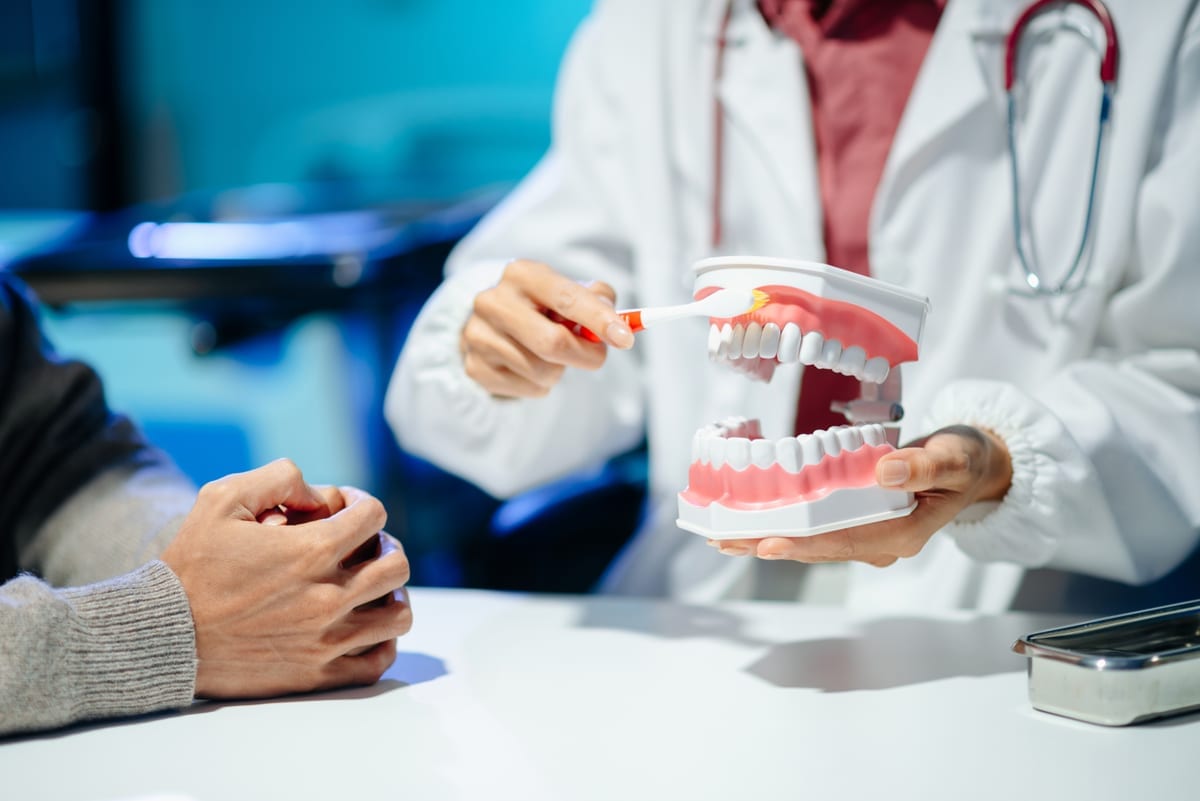
If your dentist recently told you to come in every three months instead of six, you might feel confused — or even a little worried. Understanding why your dentist might recommend cleanings every 3 months instead of 6 in Denville can actually put your mind at ease. It doesn’t always mean something is seriously wrong. More often, it simply means your mouth needs a little extra support to stay healthy.
At Denville Dental Group, Dr. Charles Matarazzo takes a personalized approach to every patient’s care. Rather than applying a one-size-fits-all schedule, we evaluate your unique oral health needs. The goal is always to prevent problems before they become costly or painful.
The Standard Six-Month Rule — And Why It Doesn’t Fit Everyone
The twice-a-year cleaning recommendation has been around for decades. For many people with healthy gums and low decay risk, it works just fine. But dental science has evolved significantly. We now understand that some patients genuinely need more frequent professional cleanings to stay on track.
Bacteria in your mouth form a sticky film called plaque. If plaque isn’t removed, it hardens into tartar — which only a dental professional can remove. The rate at which tartar builds up varies from person to person. Some people accumulate it quickly, while others take much longer.
If you fall into the faster-buildup category, waiting six months between cleanings gives tartar more time to cause damage. A shorter interval helps interrupt that cycle before gum disease or decay takes hold.
Key Factors That Determine Your Cleaning Frequency in Denville
Dr. Matarazzo considers several specific factors when recommending how often you should come in. No single factor alone determines the schedule. It’s usually a combination of risk indicators that guides the decision.
Here are the most common reasons a dentist might recommend cleanings every three to four months:
- Active or past gum disease: Patients with periodontitis or a history of it need more frequent monitoring and cleaning.
- Heavy tartar buildup: Some people simply produce more tartar than average, regardless of their brushing habits.
- Smoking or tobacco use: Tobacco significantly increases your risk of gum disease and oral infection.
- Diabetes: Uncontrolled blood sugar affects gum health and slows healing after dental procedures.
- Dry mouth: Saliva helps protect teeth. Without enough of it, decay risk rises sharply.
- Weakened immune system: Certain medical conditions or medications can make your mouth more vulnerable to infection.
- A history of frequent cavities: Patients who have had multiple fillings may benefit from shorter cleaning intervals.
If any of these factors apply to you, a three- or four-month cleaning schedule may be exactly what your mouth needs to stay healthy long-term.
How Gum Disease Changes Your Cleaning Needs
Gum disease is one of the most common reasons dentists shift patients to more frequent cleanings. Once gum disease has been treated, the condition doesn’t simply disappear. Your gums remain vulnerable, and bacteria can return quickly.
After periodontal treatment, patients enter what’s called a periodontal maintenance phase. This is different from a standard cleaning. It involves deeper cleaning below the gum line to prevent bacteria from recolonizing the pockets around your teeth.
Skipping these appointments or stretching them out too far can undo months of treatment progress. Regular maintenance visits keep inflammation under control and protect the bone supporting your teeth.
This ongoing care also plays an important role in Restorative Dentistry outcomes. Keeping your gums healthy creates the right environment for fillings, crowns, and other restorations to last as long as possible.
What Happens at a Three-Month Cleaning Visit?
Many patients wonder if a more frequent cleaning is really necessary or if they could just brush better at home. The truth is, professional cleaning removes buildup that no toothbrush or floss can touch. Home care is essential, but it has limits.
At each visit, our team will:
- Remove tartar from above and below the gum line
- Polish your teeth to remove surface stains
- Measure your gum pocket depths to track changes over time
- Check for early signs of decay or gum inflammation
- Review and refine your home care routine as needed
These visits also give Dr. Matarazzo a chance to catch small problems early. A tiny cavity spotted at a three-month visit is far easier — and less expensive — to treat than one that’s been growing for six months.
For patients who have received Dental Implant Restoration, frequent cleanings are especially important. Implants can’t get cavities, but the surrounding gum tissue and bone can still be affected by bacterial buildup.
Will You Always Need Three-Month Cleanings?
Not necessarily. Some patients stay on the three-month schedule permanently. Others improve over time and eventually transition back to a six-month schedule. The right interval depends on how your gums and overall oral health respond to treatment and maintenance.
Dr. Matarazzo will reassess your needs at each visit. If your gum health improves and tartar buildup slows down, he may recommend spacing your visits out. If you’re maintaining well but still have risk factors, more frequent visits remain the safest choice.
The key is to think of it as a health decision — not a judgment on your dental hygiene. Plenty of diligent brushers and flossers still need quarterly cleanings due to factors completely outside their control, like genetics or medical conditions.
The goal at Denville Dental Group is always to give you a personalized plan that protects your smile for the long term. Book Now to schedule your appointment with our team.
Frequently Asked Questions
Why would my dentist recommend cleanings every 3 months instead of 6?
Your dentist may recommend more frequent cleanings if you have gum disease, a history of heavy tartar buildup, diabetes, dry mouth, or other risk factors. A three-month interval helps prevent bacterial buildup from damaging your gums and teeth between visits.
Is a three-month cleaning different from a regular cleaning?
Yes, it can be. Patients with a history of gum disease often receive periodontal maintenance cleanings, which include deeper cleaning below the gum line. This is more thorough than a standard preventive cleaning and helps control inflammation in vulnerable gum tissue.
Can I go back to six-month cleanings after my gum disease is treated?
Possibly, yes. Dr. Matarazzo will monitor your progress over time. If your gum health stabilizes and your risk factors decrease, he may adjust your schedule. However, some patients with chronic gum disease benefit from staying on a three- to four-month maintenance schedule long-term.
Do more frequent dental cleanings cause sensitivity or damage to enamel?
No. Professional cleanings performed by a trained hygienist do not damage healthy enamel. The tools used are designed to remove buildup safely. Increased sensitivity after cleanings is usually temporary and related to gum inflammation — not harm caused by the cleaning itself.
How do I know if I need cleanings every 3 months in Denville?
The best way to find out is through a comprehensive dental exam with Dr. Matarazzo at Denville Dental Group. He will evaluate your gum health, tartar levels, medical history, and other risk factors to recommend the cleaning schedule that’s right for you.