Same Day Emergency Appointments Available!

Invisalign for Complex Cases: Is It Really Possible?
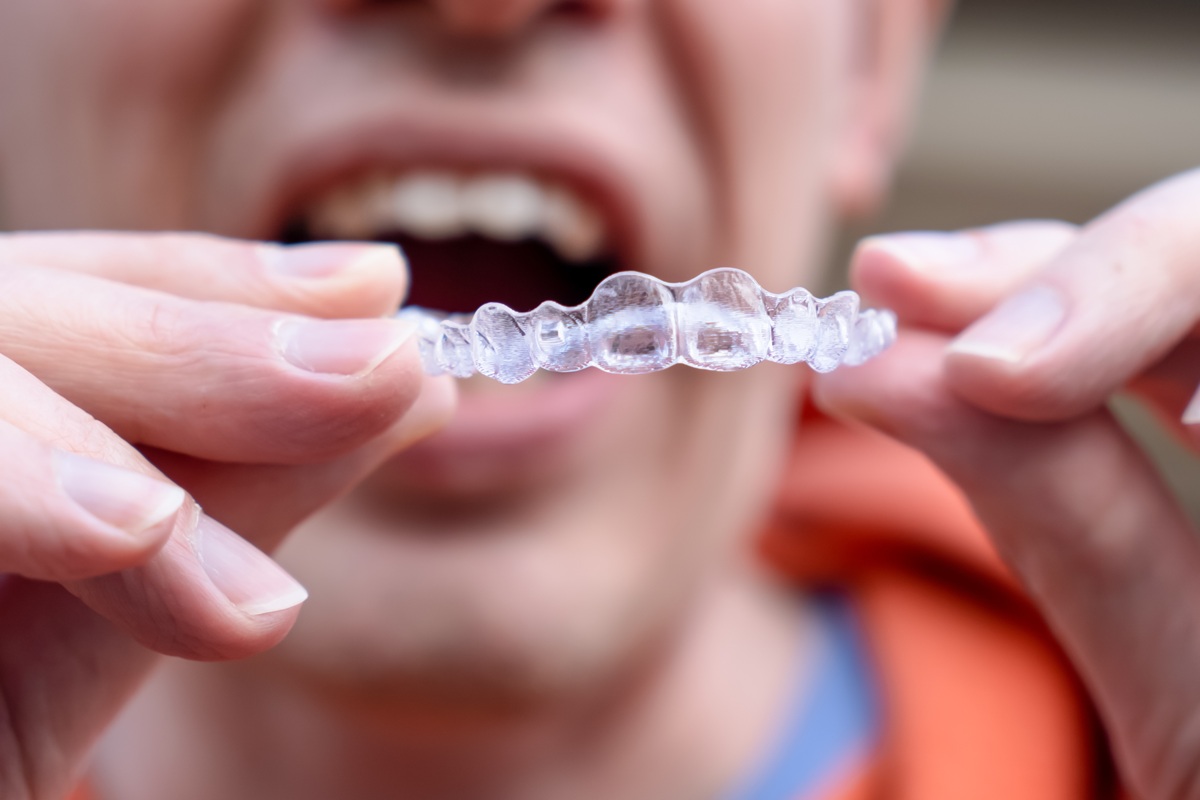
If you’ve been told in the past that your teeth are “too complicated” for clear aligners, you’re not alone. Many patients in and around Denville still believe Invisalign is only for minor crowding or small gaps. But modern orthodontics has come a long way.
Today, Invisalign is no longer just for simple cosmetic adjustments—it’s often used successfully for complex dental alignment cases as well.
At Denville Dental Group, patients frequently ask the same question:
Can Invisalign really fix my kind of case?
Let’s break it down in a simple, honest way so you can understand what’s possible—and what isn’t.
What Counts as a “Complex Case” in Invisalign Treatment?
A complex case doesn’t mean untreatable. It usually refers to alignment issues such as:
- Severe crowding or spacing
- Overbite or underbite
- Crossbite (one or more teeth sitting incorrectly)
- Rotated teeth, especially molars
- Teeth that have shifted after past orthodontic treatment
- Bite misalignment affecting chewing or jaw comfort
In the past, many of these cases were treated only with traditional braces. But Invisalign technology has evolved significantly.
Can Invisalign Handle Complex Cases Today?
The short answer: Yes, in many situations it can.
Advanced Invisalign systems now allow dentists to treat cases that were once considered too difficult. However, success depends on proper planning, experience, and patient compliance.
Here’s what makes complex Invisalign treatment possible today:
- 3D digital scanning replaces messy impressions
- Precision treatment planning software maps every tooth movement
- Attachments (small tooth-colored grips) help control difficult movements
- Rubber bands (elastics) assist with bite correction
- Refinements allow adjustments during treatment if needed
When combined, these tools make Invisalign far more powerful than it used to be.
When Invisalign Works Best for Complex Cases
Not every complex case is identical. Invisalign tends to work best when:
- Teeth are healthy (no severe gum disease)
- Jaw structure does not require surgical correction
- Patient wears aligners 20–22 hours daily
- Treatment is supervised by an experienced dental team
At Denville Dental Group, treatment planning is customized carefully after digital scans and bite evaluation, ensuring realistic expectations from the start.
Situations Where Invisalign May Be Limited
Even though Invisalign is advanced, there are still cases where traditional orthodontics may be more effective:
- Extremely severe jaw misalignment
- Teeth that require vertical repositioning beyond aligner limits
- Cases needing surgical orthodontic correction
- Poor compliance with aligner wear
This is why an in-person evaluation matters more than online assumptions or general advice.
The Invisalign Process at a Local Dental Practice
Understanding the process helps reduce anxiety and sets realistic expectations.
Step 1: Consultation and Digital Scan
A full oral exam is done, followed by a 3D scan of your teeth.
Step 2: Custom Treatment Plan
Your dentist maps out how your teeth will move week by week.
Step 3: Aligner Fabrication
A series of custom aligners is created specifically for your teeth.
Step 4: Wearing Aligners
You wear each set for about 1–2 weeks, removing them only for eating and brushing.
Step 5: Progress Checkups
Regular visits ensure everything is moving correctly.
Step 6: Final Retainers
Retainers help maintain your new smile long-term.
What Makes Invisalign Successful for Complex Cases?
Success doesn’t depend on the aligners alone—it depends on teamwork.
Here’s what matters most:
- Dentist’s experience with advanced cases
- Accurate diagnosis and planning
- Patient discipline (wear time matters a lot)
- Regular follow-ups
- Adjustments when needed
Even complex cases can succeed when all these factors align properly.
Final Thoughts: Is Invisalign Right for You?
Complex dental issues don’t automatically rule out clear aligners anymore. With modern orthodontic planning and experienced care, Invisalign can successfully treat a wide range of alignment problems.
The key is not guessing—but getting evaluated properly.
If you’re in Denville or nearby areas and wondering whether Invisalign can work for your case, a professional consultation can give you a clear answer tailored to your teeth, not general assumptions.
At Denville Dental Group, treatment is planned with precision, comfort, and long-term results in mind—so patients can make informed decisions about their smile with confidence.
Frequently Asked Questions (FAQ)
1. Can Invisalign fix severe crowding?
Yes, in many cases it can. Severe crowding may require attachments or staged treatment, but it is often manageable.
2. How long does Invisalign take for complex cases?
Treatment can range from 12 to 24 months depending on severity and patient compliance.
3. Is Invisalign faster than braces?
In some cases, yes—but not always. The complexity of your bite determines the timeline more than the system used.
4. Will I need attachments for complex treatment?
Most complex cases require attachments to guide tooth movement effectively.
5. Can teens with complex cases use Invisalign?
Yes. Invisalign Teen is designed specifically for younger patients, including many complex cases.