Same Day Emergency Appointments Available!

Why Your Dentures Stop Fitting (And What Comes Next)
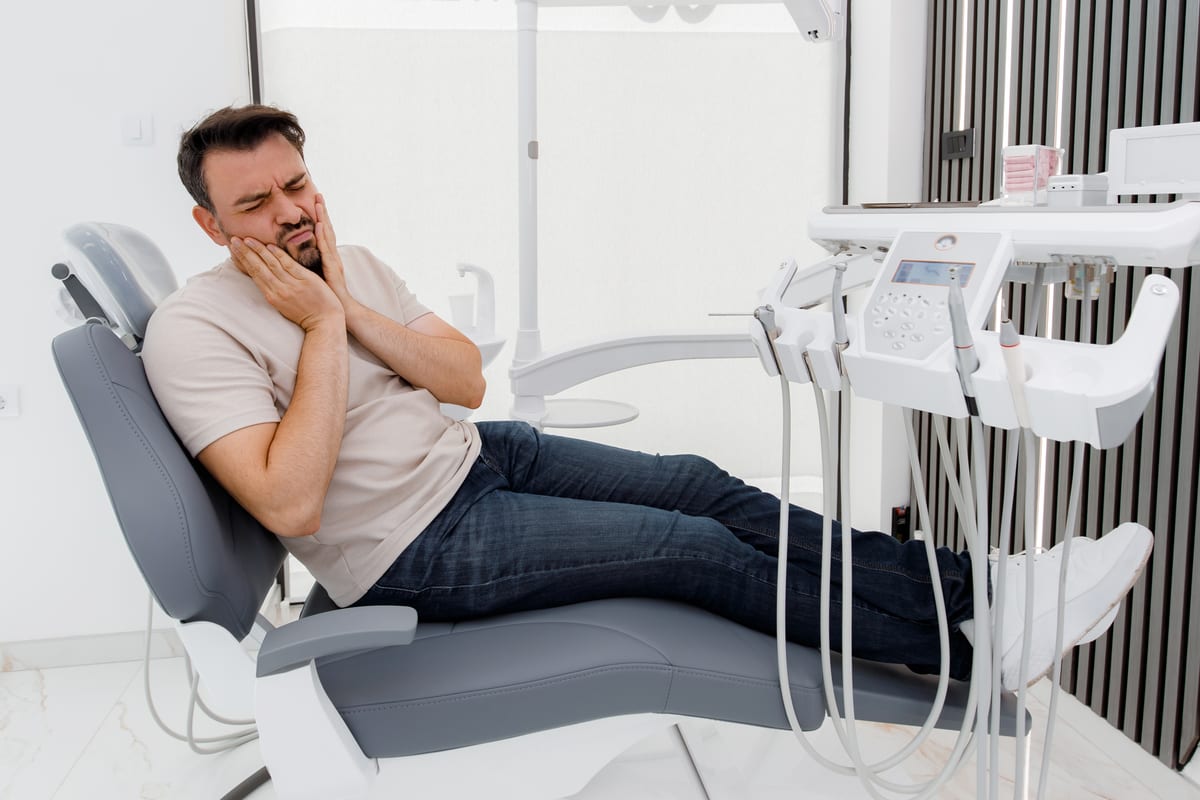
If your dentures once felt secure but now slip, click, or cause soreness, you are not alone. Many Denville patients ask why dentures stop fitting over time — and what comes next. The answer almost always comes down to a natural process happening beneath your gums. Understanding that process helps you make better decisions about your oral health. At Denville Dental Group, Dr. Charles Matarazzo guides patients through every stage of denture care, from that first fitting to long-term adjustments.
Why Dentures Stop Fitting Over Time in Denville
When teeth are lost, the jawbone no longer receives stimulation from chewing. Without that daily pressure, the bone gradually shrinks. Dentists call this process bone resorption. It is completely natural, but it changes the shape of your jaw significantly over the years.
Dentures are custom-made to fit the jaw at one specific point in time. As the bone resorbs and the gum tissue changes, the denture base no longer matches your mouth’s contours. This mismatch is the root cause of a loose or uncomfortable fit. Most patients notice meaningful changes within two to five years of receiving new dentures.
Bone loss does not stop once it starts. It continues gradually throughout your life. That means a denture that fit perfectly at age 60 may feel quite different by age 65. Recognising this early helps you avoid sore spots, difficulty eating, and embarrassing slippage.
Signs Your Dentures No Longer Fit Properly
Your body sends clear signals when dentures need attention. Learning to recognise these signs early protects your gum tissue and makes treatment simpler. Many Denville patients wait too long, which allows further bone loss to occur.
Watch for these common warning signs:
- Dentures slip or shift when you eat or speak
- Clicking sounds during normal jaw movement
- Sore spots, irritation, or recurring gum inflammation
- Food trapping more easily under the denture base
- Difficulty chewing foods you once handled comfortably
- Using more denture adhesive than you did previously
If any of these sound familiar, schedule a fitting evaluation promptly. Early intervention almost always means a simpler, less costly solution. Waiting can allow irritation to develop into more serious tissue damage.
Your Options: Relining, Rebasing, and Replacement
Once Dr. Matarazzo confirms your dentures no longer fit correctly, he will recommend one of three main approaches. The right choice depends on the condition of the denture itself and how much your jaw has changed. Each option falls under the broader umbrella of Restorative Dentistry Denville patients rely on to maintain function and comfort.
Relining is the most common first step. A new layer of acrylic material is added to the inner surface of the existing denture. This reshapes the base to match your current gum contours. Relining is faster and more affordable than full replacement.
Rebasing goes further. The entire denture base is replaced while the existing teeth are preserved. Dentists recommend this when the base material has worn thin or warped but the prosthetic teeth remain in good shape. It provides a more stable long-term result than relining alone.
Replacement becomes necessary when the denture is structurally compromised or when bone changes are too significant for relining or rebasing to correct. A new denture is fabricated from scratch to match your jaw’s current anatomy precisely.
What to Expect at Your Denture Fitting Evaluation in Denville
Your appointment at Denville Dental Group will begin with a thorough examination. Dr. Matarazzo assesses how the denture currently rests against your gum tissue. He also evaluates the degree of bone resorption through clinical examination and, when needed, imaging.
The evaluation process typically includes:
- A review of your dental and denture history
- Visual and physical assessment of gum tissue health
- Evaluation of how the denture base contacts your ridge
- Discussion of your symptoms, lifestyle, and goals
- A clear explanation of your recommended treatment options
Dr. Matarazzo walks you through the pros and cons of each option clearly. He never recommends unnecessary treatment. His goal is to restore your comfort and confidence as efficiently as possible.
When Dental Implants Offer a Better Long-Term Solution
For some Denville patients, repeated relining becomes a cycle that never fully resolves the problem. In these cases, implant-supported dentures may offer a more permanent answer. Dental implants are anchored directly into the jawbone, which also helps slow further bone resorption.
Unlike traditional dentures, implant-supported options do not rely on suction or adhesive to stay in place. They feel and function far more like natural teeth. Many patients describe the difference as life-changing for eating, speaking, and self-confidence.
If you are curious whether this approach suits your situation, ask Dr. Matarazzo about Dental Implant Restoration Denville options during your next visit. Not every patient qualifies immediately, but many are better candidates than they expect.
Caring for Your Dentures Between Adjustments
Proper daily care extends the life of your dentures and protects your gum tissue. Good habits also help your dentist identify fit changes before they become serious problems. A few simple practices make a meaningful difference over time.
- Remove and rinse dentures after every meal
- Brush dentures daily with a soft-bristled denture brush
- Soak dentures overnight in a denture-cleaning solution
- Never use hot water — it warps the acrylic base
- Schedule a professional cleaning and check-up at least once a year
- Avoid using regular toothpaste, which is too abrasive for denture materials
Even with perfect care, bone resorption continues naturally beneath the surface. Regular check-ups allow Dr. Matarazzo to monitor changes before they create serious discomfort. Think of these appointments as routine maintenance, not just emergency visits.
Taking the Next Step With Denville Dental Group
Understanding why dentures stop fitting makes the path forward much clearer. Bone resorption is natural and inevitable, but its impact on your denture fit is very manageable with the right care team beside you. Whether relining, rebasing, or exploring implant options, Dr. Matarazzo and the team at Denville Dental Group are here to help Denville patients eat, smile, and speak comfortably at every stage of life. Do not wait until soreness or slipping disrupts your daily routine. Book Now to schedule your appointment with our team.
Frequently Asked Questions
How often should dentures be relined?
Most patients benefit from a reline every two to three years. However, this varies depending on how quickly bone resorption occurs in your individual case. Dr. Matarazzo will advise you on the appropriate timeline based on your examination findings.
Can I reline my dentures at home with a kit?
Home relining kits are available but not recommended by most dental professionals. They rarely provide a precise fit and can cause uneven pressure on your gum tissue. A professionally performed reline by Dr. Matarazzo ensures accuracy, comfort, and long-term stability.
How do I know if I need a reline, rebase, or full replacement?
Only a professional evaluation can determine which option is right for you. Dr. Matarazzo will assess the condition of your denture base, the extent of your bone changes, and your overall oral health before making a recommendation. Each case is different.
Will bone loss continue even after I get new dentures?
Yes, bone resorption continues regardless of whether you wear dentures. However, implant-supported dentures can slow this process significantly because the implants stimulate the jawbone similarly to natural tooth roots. Traditional dentures do not provide this same benefit.
Is it normal to use a lot of denture adhesive?
Occasionally using adhesive for extra security is common. However, relying heavily on adhesive daily is a clear sign your denture no longer fits correctly. It is time to schedule a fitting evaluation rather than depend on adhesive as a long-term fix.