Same Day Emergency Appointments Available!

Keep Your Dental Crown Healthy: Essential Care Tips Every Patient Needs
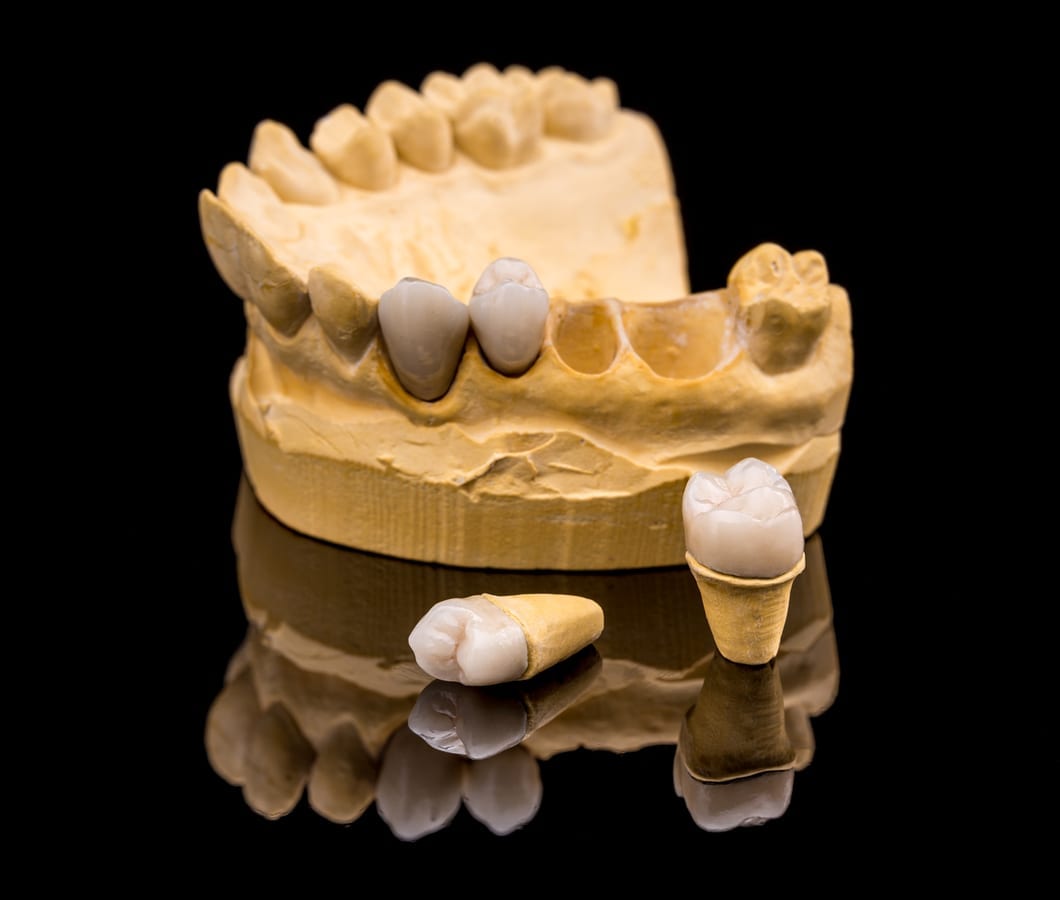
A dental crown is one of the most effective ways to restore a damaged tooth. But getting the crown placed is only the beginning. Knowing how to keep your dental crown healthy with essential care tips every patient needs in Denville will help your restoration last for many years. At Denville Dental Group, Dr. Charles Matarazzo and our team want every patient to feel confident caring for their smile at home.
Dental crowns can last 10 to 15 years — or even longer — with proper maintenance. The good news is that caring for a crown is not complicated. It just requires consistent habits and a little know-how. In this guide, we will walk you through everything you need to protect your investment.
Why Crown Care Matters for Your Long-Term Oral Health in Denville
Many patients assume a crown means that tooth is fully protected forever. That is a common misconception. The crown itself cannot get a cavity, but the natural tooth structure underneath still can. Bacteria can sneak in along the margin where the crown meets the gumline.
Crown margins are the edges where your crown connects to your tooth. These spots are especially vulnerable to plaque buildup. If bacteria accumulate there, decay can develop beneath the crown. This can eventually lead to crown failure or the need for more extensive Restorative Dentistry Denville treatment.
Gum disease around a crowned tooth is also a real concern. Inflamed or receding gums can expose the crown margin and the tooth root below. Consistent oral hygiene prevents these problems before they start.
How to Clean Around Your Crown Properly Every Day
Brushing and flossing a crowned tooth requires the same care as a natural tooth. Use a soft-bristled toothbrush and fluoride toothpaste. Brush gently along the gumline where the crown meets the tooth. This removes plaque from that critical margin area.
Flossing is essential — even more so with a crown. Slide floss carefully between the crowned tooth and its neighbors. Do not snap the floss down hard. Slide it gently to avoid dislodging the crown or irritating the gum tissue.
Here are some daily care habits that protect your crown:
- Brush at least twice daily with a soft-bristled toothbrush
- Floss once daily, sliding the floss gently in a C-shape around each tooth
- Use an antimicrobial mouthwash to reduce bacteria near the margin
- Consider a water flosser for extra cleaning around the crown base
- Visit Denville Dental Group for professional cleanings every six months
Professional cleanings allow Dr. Matarazzo to check the crown margin closely. He can spot early signs of decay or gum issues before they become serious problems. Routine visits are one of the most important steps in keeping your crown healthy.
Foods and Habits to Avoid When You Have a Dental Crown
What you eat and how you use your teeth directly affects your crown’s longevity. Certain foods and habits place excessive stress on the crown material. Avoiding these can significantly extend the life of your restoration.
Hard foods are one of the biggest culprits. Biting into ice, hard candies, or popcorn kernels can crack or chip a porcelain crown. Even all-ceramic crowns have limits under sudden, intense pressure. Treat your crown with the same care you would give a natural tooth.
Sticky and chewy foods are also problematic. Caramel, taffy, and chewing gum can pull at the crown and potentially loosen it over time. This is especially true for crowns that have been in place for several years and may have slight cement wear.
Here is a quick list of what to limit or avoid:
- Ice cubes — chewing ice is a leading cause of crown damage
- Hard candies and nuts — sudden force can fracture the crown
- Sticky foods like caramel, gummy candies, and taffy
- Chewing on pens, pencils, or fingernails
- Using your teeth as tools to open packages or bottles
Eliminating these habits protects not just your crown but your entire smile. If a crown does loosen or chip, contact Denville Dental Group promptly. Early intervention usually means a simpler fix.
Night Guards: A Game-Changer for Crown Protection in Denville
Teeth grinding — known as bruxism — is one of the most damaging forces a crown can face. Many people grind their teeth at night without even realizing it. The pressure generated during grinding can be far greater than normal biting force.
Porcelain crowns are particularly vulnerable to grinding damage. Repeated pressure can cause chips, cracks, or premature wear on the crown surface. Over time, this can compromise the seal of the crown and allow bacteria to enter.
A custom night guard from Denville Dental Group creates a protective barrier between your upper and lower teeth. It absorbs and distributes grinding forces so your crown stays intact. Unlike store-bought guards, a custom-fitted one is comfortable and stays securely in place while you sleep.
Signs you might be grinding your teeth include:
- Waking up with jaw soreness or headaches
- Tooth sensitivity that seems worse in the morning
- A partner telling you they hear grinding sounds at night
- Worn, flattened, or chipped tooth surfaces
If Dr. Matarazzo notices signs of bruxism during your exam, he may recommend a night guard as part of your treatment plan. This small investment protects both your natural teeth and any existing crowns or Dental Implant Restoration Denville work you may have.
When to Call Your Dentist About Your Crown
Even with excellent care, crowns can sometimes need attention. Knowing the warning signs helps you act quickly and avoid bigger problems down the road. Never ignore changes in how your crown feels or looks.
Contact Denville Dental Group if you notice any of the following. Sensitivity to hot, cold, or pressure that lingers may indicate decay beneath the crown. A crown that feels loose or shifts when you bite is a sign the cement may have weakened. Any visible crack, chip, or dark line along the margin deserves a prompt evaluation.
Pain or swelling around a crowned tooth is never normal. This could indicate an infection or an issue with the tooth’s root. In some cases, a tooth that previously had a crown may later need root canal treatment to address infection deep in the tooth structure.
Catching these issues early gives you the best chance of saving the crown and the tooth. Our team at Denville Dental Group is here to help Denville patients with both routine checkups and urgent concerns.
Conclusion: Protect Your Crown and Your Smile
Knowing how to keep your dental crown healthy with essential care tips every patient needs in Denville empowers you to protect your smile for the long term. Consistent brushing, careful flossing, avoiding damaging foods, and wearing a night guard if you grind are all practical steps you can take starting today. Dr. Charles Matarazzo and the entire Denville Dental Group team are here to support your oral health at every step. Book Now to schedule your appointment with our team.
Frequently Asked Questions
How long does a dental crown typically last?
With proper care, most dental crowns last between 10 and 15 years. Some crowns last even longer when patients maintain excellent oral hygiene, avoid damaging habits, and attend regular dental checkups. The material of the crown and the location in the mouth can also affect longevity.
Can decay develop under a dental crown?
Yes, decay can still occur at the margin where the crown meets the natural tooth. This is why cleaning around the gumline every day is so important. Regular professional cleanings allow your dentist to catch early signs of decay before the crown is compromised.
Is a night guard really necessary if I have a crown?
If you grind your teeth at night, a custom night guard is strongly recommended. Grinding can crack, chip, or prematurely wear down a crown. A professionally fitted night guard from your dentist offers the best protection and comfort compared to over-the-counter options.
What should I do if my crown feels loose?
Contact your dentist as soon as possible if your crown feels loose or shifts when you bite. A loose crown can allow bacteria to enter and cause decay beneath it. In most cases, the crown can be re-cemented if you seek care promptly.
Are there foods I should avoid entirely after getting a crown?
You do not need to permanently eliminate all hard or sticky foods, but you should be cautious. Avoid chewing ice, biting into very hard candies, or eating extremely sticky foods like taffy regularly. These habits significantly increase the risk of crown damage over time.