Same Day Emergency Appointments Available!

Teeth Whitening Results in Rockaway, NJ
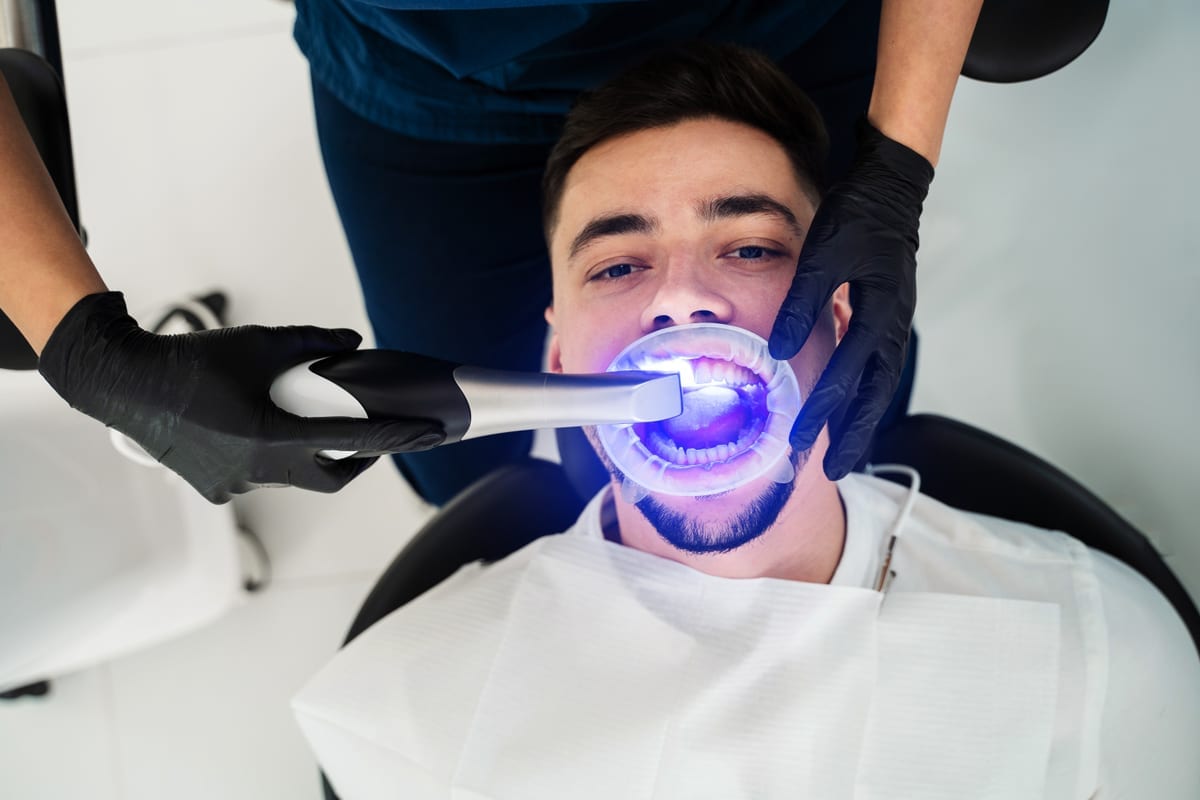
If you’ve recently whitened your teeth, you’re probably loving your bright new smile. But here’s something every Rockaway patient should know: your whitening results won’t last forever—here’s why and what to do about it before the stains creep back. Understanding what causes fading helps you protect your investment and keep your smile looking its best for as long as possible.
At Denville Dental Group, Dr. Charles Matarazzo works with patients throughout the Rockaway area to help them enjoy lasting whitening results. The key is combining professional treatment with smart daily habits. Let’s break down exactly what shortens whitening results and how you can fight back.
How Long Do Whitening Results Actually Last in Rockaway?
Most professional whitening treatments last anywhere from six months to three years. That’s a wide range—and the difference comes down almost entirely to your daily habits. Patients who follow maintenance guidelines tend to stay closer to that three-year mark.
At-home whitening kits purchased over the counter fade faster, often within a few months. Professional treatments performed or supervised by a dentist penetrate more deeply and deliver longer-lasting results. Touch-up treatments can extend your results even further when used correctly.
The structure of your tooth enamel also plays a role. Enamel is naturally porous, which means staining compounds from food and drink absorb into it over time. Once whitening opens those pores temporarily, what you consume in the days and weeks after treatment makes a significant difference.
The Biggest Habits That Shorten Your Whitening Results
Certain everyday habits are the top culprits behind fading whiteness. Knowing which ones cause the most damage helps you make smarter choices without giving up everything you love.
- Coffee and tea: Both contain tannins that cling to enamel and cause yellowing over time.
- Red wine: Deeply pigmented and acidic, red wine is one of the fastest ways to reverse whitening results.
- Smoking and tobacco: Nicotine and tar create stubborn yellow and brown stains that are difficult to remove.
- Dark sodas and juices: Colas, grape juice, and cranberry juice all stain enamel with regular exposure.
- Soy sauce and tomato-based foods: Intensely colored sauces work the same way on teeth as they do on a white shirt.
You don’t have to eliminate all of these from your life. But being mindful—especially right after whitening—can dramatically extend how long your results last. Rinsing with water immediately after consuming staining foods or drinks is one simple habit that makes a real difference.
Practical Tips to Keep Your Smile Bright Longer
Maintaining your whitening results isn’t complicated, but it does require consistency. These practical strategies work for Rockaway patients who want their smiles to stay bright between dental visits.
- Use a whitening toothpaste: Mild abrasives in whitening toothpaste help prevent surface stains from building up.
- Drink staining beverages through a straw: This reduces direct contact with your front teeth.
- Rinse immediately after meals: A quick rinse with water clears away pigmented compounds before they settle.
- Schedule regular professional cleanings: Professional polishing removes surface stains that toothbrushing misses.
- Use touch-up whitening trays: Custom trays from your dentist make periodic touch-ups easy and effective.
- Avoid whitening immediately after eating acidic foods: Acid temporarily softens enamel, making it more vulnerable.
Dr. Matarazzo recommends that patients schedule touch-up whitening sessions once or twice per year. Combining those visits with a professional cleaning gives your teeth the best chance of staying bright. Consistency is the real secret to long-lasting results.
When Whitening Alone Isn’t Enough—Other Options to Consider
Sometimes, staining is too deep or too widespread for whitening alone to solve. In those cases, there are other cosmetic and Restorative Dentistry options that can help. Veneers, for example, cover the front surface of teeth with a stain-resistant porcelain shell that doesn’t discolor like natural enamel.
Dental crowns are another option for teeth that are too damaged or discolored for whitening to address effectively. Patients who have missing teeth replaced with a Dental Implant Restoration will find that the crown material used is also resistant to staining—though natural surrounding teeth still need maintenance.
It’s important to know that whitening treatments do not change the color of crowns, veneers, or implant restorations. If you have existing dental work, discuss your whitening goals with Dr. Matarazzo before starting treatment. He can help you create a plan that ensures your whole smile looks consistent and natural.
What to Expect From Professional Whitening at Denville Dental Group
Professional whitening at Denville Dental Group starts with a thorough consultation. Dr. Matarazzo evaluates your teeth to make sure whitening is the right choice for your smile and your goals. He also identifies any existing sensitivity or enamel concerns that could affect your experience.
Treatment options may include in-office whitening for fast, dramatic results or custom take-home trays for a more gradual approach. Both methods use professional-grade whitening agents that are stronger and safer than over-the-counter alternatives. Many patients combine both methods for the best results.
After your initial treatment, you’ll receive guidance on how to maintain your results at home. This includes recommendations on products, habits to avoid, and a schedule for follow-up visits. The goal is always to help you feel confident in your smile for the long haul—not just for a few weeks.
Frequently Asked Questions
How long do professional whitening results last compared to store-bought kits?
Professional whitening results typically last six months to three years, depending on your habits. Over-the-counter kits generally fade within a few months because they use weaker whitening agents. Regular dental visits and touch-up treatments help extend professional results significantly.
Can I whiten my teeth if I have crowns or veneers?
Whitening treatments do not change the color of crowns, veneers, or other dental restorations. If your natural teeth whiten but your restorations stay the same shade, the difference can be noticeable. Talk to Dr. Matarazzo before whitening so he can assess your specific situation and recommend the best approach.
How soon after whitening can I drink coffee or wine?
Most dentists recommend avoiding deeply pigmented foods and drinks for at least 48 hours after whitening. This window is when your enamel pores are most open and vulnerable to absorbing new stains. After that period, using a straw and rinsing with water after consumption helps protect your results.
Is teeth whitening safe for sensitive teeth?
Many people with sensitive teeth can still whiten safely using the right approach. Dr. Matarazzo can recommend lower-concentration formulas or desensitizing treatments to minimize discomfort. Always disclose any existing sensitivity before starting a whitening regimen so the treatment can be adjusted appropriately.
How often should I schedule whitening touch-ups?
Most patients benefit from touch-up whitening once or twice a year. The exact frequency depends on your diet, habits, and how quickly your teeth tend to restain. Pairing touch-ups with your regular professional cleaning appointments is a convenient and effective strategy for maintaining a bright smile.
Ready to protect and extend your whitening results with expert guidance from Dr. Charles Matarazzo? Book Now to schedule your appointment with our team.