Same Day Emergency Appointments Available!

Can Invisalign Really Help With Snoring? Here’s the Truth
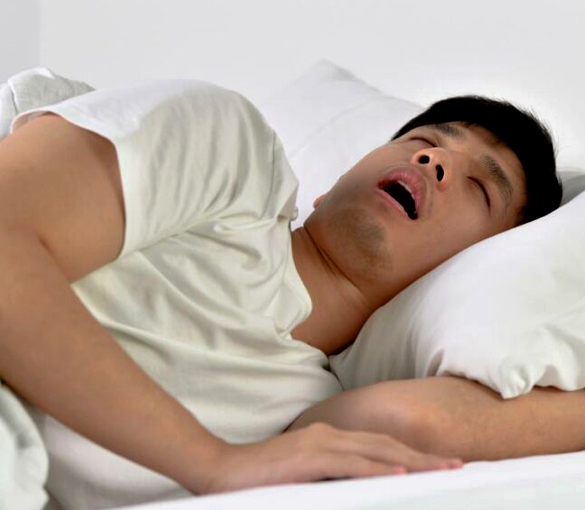
You finally drift off after a long day, only to feel that familiar nudge in the middle of the night. Your partner sighs. You turn over. The cycle repeats. For many households, snoring becomes part of nightly life, but it often leaves everyone exhausted by morning. While it’s easy to dismiss snoring as harmless noise, it can quietly affect sleep quality, energy levels, and even long-term health.
Snoring happens when airflow becomes restricted during sleep. That restriction doesn’t always start in the nose. In many cases, the position of your jaw, teeth, and tongue plays a bigger role than people realize. When teeth alignment or bite issues affect how the jaw rests, the airway can narrow just enough to create vibration and sound.
It’s important to be honest upfront. Denville Dental Group explains the truth in this blog. Invisalign is not a cure for snoring. However, for certain people, correcting bite alignment can reduce one of the structural contributors. Understanding when it helps and when it doesn’t can make all the difference.
What Actually Causes Snoring?
Snoring begins when air struggles to move smoothly through the upper airway during sleep. As muscles relax, tissues can partially block airflow, creating vibration. Several factors can cause this restriction, and they often work together rather than alone.
A narrowed airway is one of the most common reasons. When the jaw falls backward or teeth alignment limits tongue space, airflow becomes turbulent. Bite alignment matters more than many expect. An overbite or crossbite can subtly shift the jaw position during sleep, reducing airway support.
Tongue collapse or crowding is another contributor. If the tongue doesn’t have enough room to rest forward, it may fall backward, especially when lying on your back. Breathing habits also play a role. Mouth breathing tends to worsen snoring because it bypasses natural nasal airflow regulation.
Lifestyle factors matter as well. Sleep posture, seasonal congestion, late-night meals, and even evening routines can influence how the airway behaves overnight. That’s why snoring often feels unpredictable.
This is where orthodontics enters the conversation.
How Invisalign Works: Beyond Straight Teeth
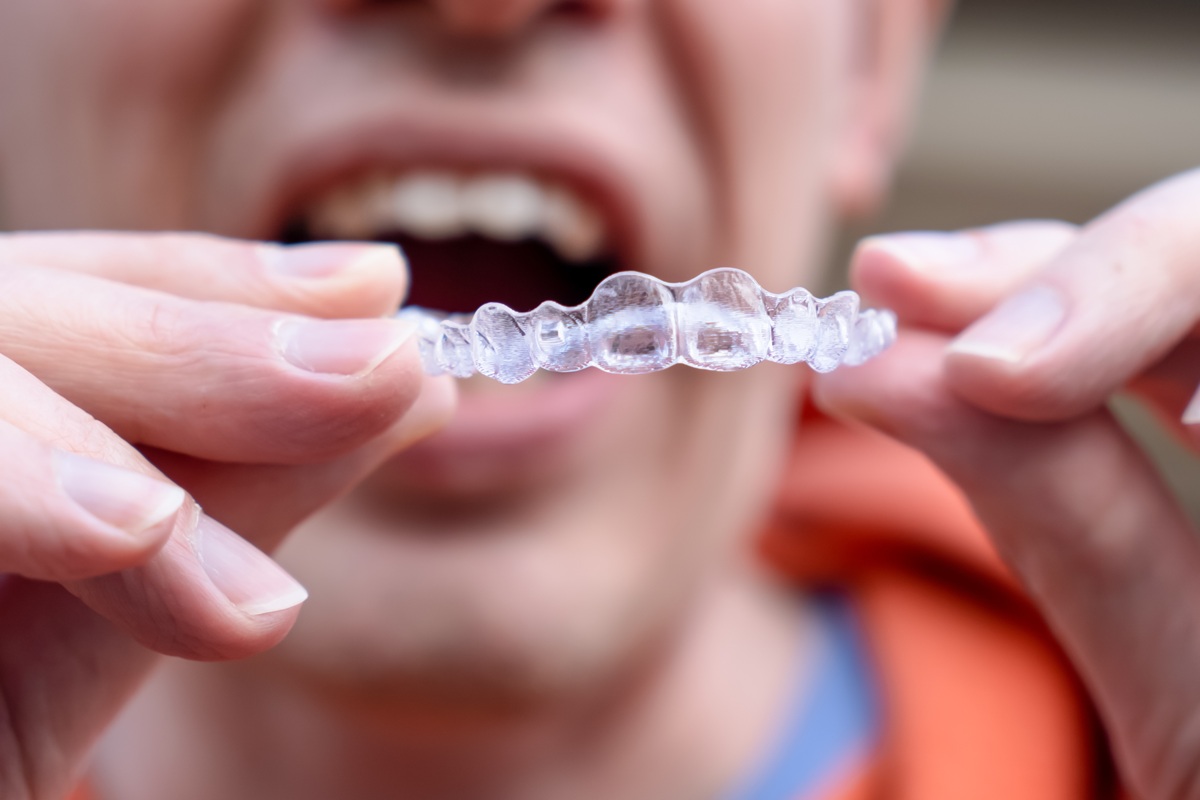
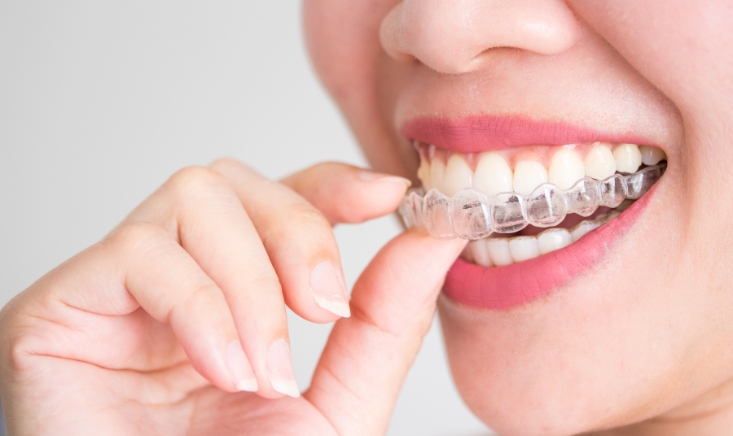
Many people think Invisalign only focuses on appearance. In reality, aligner therapy works by gently guiding teeth into healthier positions over time. Each set of aligners applies controlled pressure, encouraging gradual movement rather than sudden change.
What often gets overlooked is how teeth alignment affects the bite. When teeth meet correctly, the jaw rests in a more balanced position. This balance can influence how the tongue sits and how much space exists behind it. Even small adjustments can change how the jaw settles during sleep.
By improving alignment, Invisalign can help reduce crowding and create better oral spacing. This may allow the tongue to rest more forward instead of collapsing backward. Improved bite balance can also reduce jaw tension, which sometimes contributes to nighttime clenching and airway restriction.
The process at Denville Dental Group remains comfortable and adaptable to daily life. People can remove aligners for meals, morning coffee, or social events around town. Over time, these subtle movements add up. While the goal remains a healthier smile, some patients notice secondary benefits related to comfort, breathing patterns, and nighttime habits.
The Real Link Between Invisalign and Snoring
The connection between Invisalign and snoring lies in structure, not sound suppression. When bite alignment improves, the jaw often sits in a more stable position. This stability can support better airway positioning during sleep, particularly for people whose snoring stems from jaw collapse rather than nasal blockage.
Compared to traditional braces, aligners allow for more controlled bite refinement without bulky hardware. This precision helps guide how upper and lower teeth meet, which can influence jaw posture overnight. Some patients notice reduced snoring partway through treatment, while others observe changes closer to the end.
Timing varies because no two airways are identical. Facial structure, muscle tone, and sleep habits all affect outcomes. That’s why results differ from person to person. Invisalign helps address structural contributors, but it won’t resolve snoring caused by sinus issues, weight-related airway collapse, or sleep apnea.
When improvement does happen, it’s often gradual. Partners may notice quieter nights or fewer interruptions rather than sudden silence. These subtle changes can still mean better rest for everyone involved.
Who Is Most Likely to Benefit?
Invisalign tends to be most helpful for people whose snoring has a clear structural component rather than a medical one. Certain patterns increase the likelihood of improvement.
- People with mild to moderate snoring, rather than chronic loud snoring
- Narrow dental arches or noticeable crowding
- Bite issues such as overbite or crossbite
- Mouth breathers during sleep
- Individuals without a sleep apnea diagnosis
These patients often share similar lifestyles where quality sleep plays an important role in daily life. Busy workdays, evening walks through the neighborhood, and weekends spent at local cafés or community events make proper rest essential. Many people in Denville, NJ have similar busy routines, making improved sleep especially valuable for maintaining energy and focus.
It’s also common for people in this group to experience jaw tightness or morning fatigue without realizing the connection. Addressing alignment may help relieve pressure that contributes to airway narrowing.
That said, benefit is never assumed. A personalized evaluation ensures expectations remain realistic and treatment decisions stay focused on overall health.
When Invisalign Will NOT Fix Snoring
Trust matters when discussing sleep concerns. Invisalign will not fix snoring caused by obstructive sleep apnea. This condition involves repeated airway collapse that requires medical management, not orthodontic adjustment alone.
Nasal blockages, chronic sinus problems, or allergies also fall outside the scope of aligner treatment. If airflow restriction begins higher in the airway, bite correction won’t resolve it. Weight-related airway collapse and neurological factors affecting muscle tone similarly require different approaches.
That’s why evaluation matters. Snoring should never be self-diagnosed or treated based on assumptions. When needed, orthodontists collaborate with physicians or sleep specialists to rule out underlying conditions. Aligners may still play a role in comprehensive care, but only when appropriate.
Signs Your Snoring Might Be Bite-Related
Some clues suggest that teeth alignment could be influencing nighttime breathing. These signs often appear during daily routines, not just at night.
Waking with jaw tension or facial soreness may indicate nighttime jaw positioning issues. Teeth grinding or clenching can accompany airway instability. Mouth dryness in the morning often points to mouth breathing during sleep.
Snoring that worsens when lying on your back can suggest tongue collapse related to jaw position. A history of orthodontic concerns, even from childhood, can also be relevant. Teeth naturally shift over time, especially without retainers.
If several of these signs sound familiar, a dental evaluation can provide clarity. Understanding the source of snoring helps guide the right solution rather than guessing.
What an Orthodontist Looks For Before Recommending Invisalign
Before recommending Invisalign, an orthodontist begins with a thorough bite assessment. This includes how teeth meet, jaw alignment, and signs of uneven pressure. Airway screening may follow, especially if sleep concerns are mentioned.
Orthodontists also ask about sleep quality, snoring patterns, morning fatigue, and jaw discomfort. These conversations help identify whether alignment plays a role. In some cases, imaging or referrals support a clearer picture.
Medical collaboration matters when symptoms suggest sleep apnea or nasal obstruction. A people-first approach means treating the whole person, not just teeth. When aligners are appropriate, the plan focuses on long-term comfort and oral health, not quick fixes.
This thoughtful process ensures that treatment recommendations support both your smile and your sleep.
The honest answer is yes, in the right cases. Invisalign can help reduce snoring when bite alignment and jaw positioning contribute to airway restriction. It does not replace medical care, nor does it address every cause of snoring.
Real improvement begins with understanding what happens during sleep. A professional evaluation provides answers grounded in anatomy, not guesswork. When aligners are part of the solution, benefits often extend beyond aesthetics, supporting better comfort and rest.
If snoring affects your sleep or your household’s peace, a consultation at Denville Dental Group can help determine whether alignment plays a role. Clear answers lead to better nights and better mornings.
FAQs
Is it normal for snoring to change over time?
Yes. Snoring patterns can change due to age, stress, health, or dental alignment shifts.
Do nasal strips work for everyone?
No. They may help nasal airflow, but they won’t address jaw-related or tongue-related airway issues.
Should snoring be evaluated even if it’s mild?
Yes. Early evaluation helps identify contributing factors before snoring worsens or affects overall health.
Can orthodontic treatment improve sleep quality?
It can for some people. Better alignment may reduce jaw strain and support smoother airflow, which can improve sleep comfort.
Is snoring common in active adults?
Yes. Even healthy, active people can snore if jaw position, airway anatomy, or sleep habits contribute to airflow restriction.