Same Day Emergency Appointments Available!

Porcelain vs. Composite Veneers: Which Material Suits Your Lifestyle Best?
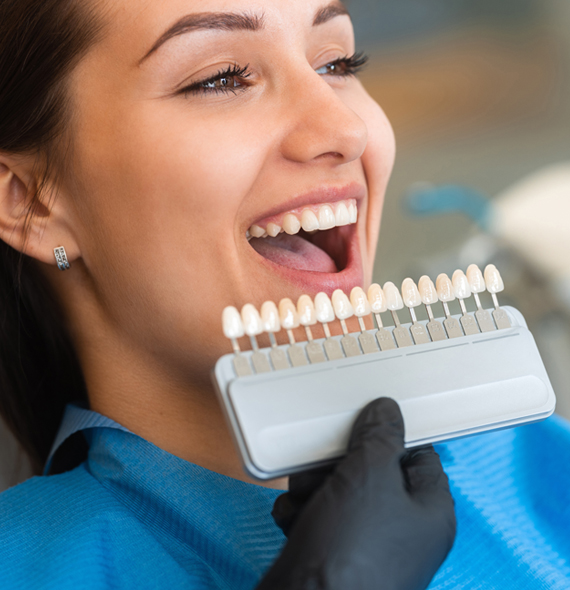
Dental veneers are one of the oldest and most effective methods of smile enhancement. Veneers are thin, custom-made porcelain or composite shells that are placed over your teeth to not only change their look but also to make them function in a certain way. There are two types of dental veneers in everyday use: porcelain and composite veneers. Although both materials can help achieve a perfect smile, each has its own set of advantages and disadvantages.
Cosmetic dentists use porcelain and composite veneers to treat several dental issues, such as stains, chipped teeth, and spacing. Porcelain veneers are recognized for their strength and capability to match the natural appearance. On the contrary, composite veneers are not as costly, yet still, beautiful results are possible with proper maintenance. Let’s evaluate the differences between porcelain and composite veneers so you can decide which is best for your lifestyle.
Take the first step today by booking an appointment with us.
The Advantages of Porcelain Veneers
Porcelain veneers are very popular because they are a perfect match for the look and feel of your own natural teeth. Another benefit of porcelain veneers is the fact that they last a very long time. Porcelain is very resistant to staining and is very durable, and because of that, people want it because it lasts for a long time.
Another reason porcelain is the material of choice is its natural appearance. It has a light-reflecting quality that mimics your own teeth, allowing you to achieve a bright, natural smile. If you are a busy person who also wants to look good at social events, porcelain veneers can give you a polished look that lasts.
The Benefits of Composite Veneers
Composite veneers are usually preferred by those who want an alternative that is quicker and cheaper. The material used is resin, and it is tooth-colored. This type of veneer can be directly bonded to your teeth in a single sitting. This is ideal for those who want a quick makeover. This type of veneer can be shaped as you want it when it is being attached.
Although composite veneers may not be as long-lasting as porcelains, they can still make for a beautiful and functional alternative. With good dental hygiene, composite veneers can last several years, making them ideal for someone interested in trying veneers without committing to a long-term solution.
Porcelain vs Composite: Which Is Best for You?
When choosing between porcelain and composite veneers, there are several important factors to consider. Porcelain veneers are quite durable, stain-resistant, and long-lasting, making them an excellent choice for people with a hectic lifestyle because of their ease of maintenance. They also give a natural and aesthetic appearance.
On the other hand, if you are looking for a smile solution that can be accomplished quickly and at a reasonable cost, you would do no better than composite veneers. They can be completed in a single visit and are great for those who want a smile change right away. However, they stain easily and don’t clean well.
Both materials can deliver dramatic results when appropriately performed by a cosmetic dentist. The ultimate choice depends solely on personal preferences, which may include durability, aesthetics, or price, among others. A consultation with a cosmetic dentist near you can clarify any doubts you have about choosing suitable veneers.
Are Veneers Permanent?
Veneers can be considered a non-permanent solution in terms of lifespan. They are not meant to last a lifetime. Porcelain veneers have an average lifespan of 10 to 15 years, depending on how well you maintain them. Composite veneers have a slightly shorter average lifespan and last 5 to 7 years, depending on how well you maintain them. You must keep your veneers as instructed by your dentist.
Ready For A New Smile?
Your smile is one of the first aspects that people notice about you. Regardless of whether you choose porcelain or composite veneers, the result is that they work wonderfully, enhancing your look and increasing your confidence. When it comes to dental veneers, you must consult a cosmetic dentist.
As professionals at Denville Dental Group, we help you attain the perfect smile that suits your distinct needs. If you are considering dental veneers in Denville, feel free to contact us today to book an appointment. Have faith that our professionals shall guide you on which dental option suits your dental journey.
FAQs
1. How long do porcelain veneers last?
Porcelain veneers typically last 10-15 years with proper care. Their durability makes them an excellent long-term investment for a natural-looking smile. Still, routine maintenance, like regular brushing and visits to your cosmetic dentist, will help extend their lifespan.
2. Can composite veneers be repaired?
Yes, composite veneers can be repaired if they chip or get damaged. While they may not last as long as porcelain, they can be touched up during dental visits to maintain their appearance. Proper care can also extend their longevity and reduce the need for repairs.
3. Are veneers permanent?
Veneers are durable, but not permanent. Porcelain veneers can last 10-15 years, while composite veneers typically last 5-7 years. Over time, they may need to be replaced or maintained to keep them looking great and functioning well.
4. Do I need to avoid certain foods with veneers?
Yes, avoiding foods that stain, like coffee and red wine, is recommended to maintain the brightness of your veneers. Additionally, try to avoid overly hard foods that could damage them, especially with composite veneers, which are more prone to chips.
5. Can I get veneers if I have crooked teeth?
Veneers can correct minor misalignments, improving the appearance of crooked teeth. However, severe cases may require orthodontic treatment beforehand. Your cosmetic dentist will assess your needs and recommend the best approach to achieve a perfect smile.
6. How do I maintain my veneers?
Maintain veneers by brushing twice a day with a non-abrasive toothpaste and flossing daily. Regular dental check-ups are essential to ensure your veneers stay in good shape. Avoid habits like grinding your teeth, and consult your dentist if any issues arise.