Same Day Emergency Appointments Available!

How Do I Know If I’m a Good Candidate for Dental Implants?
Dental implants are changing the way people deal with missing or damaged teeth. They’re long-lasting, look and feel like real teeth, and, honestly, perform better than old-school options like dentures or bridges. But let’s be real—are dental implants right for you? A lot of patients wonder about this before taking the plunge, so let’s talk about what really matters when you’re thinking about implants.
Want to see if implants are right for you? Schedule your consultation with our dental team today to get your smile back.
What are dental implants?
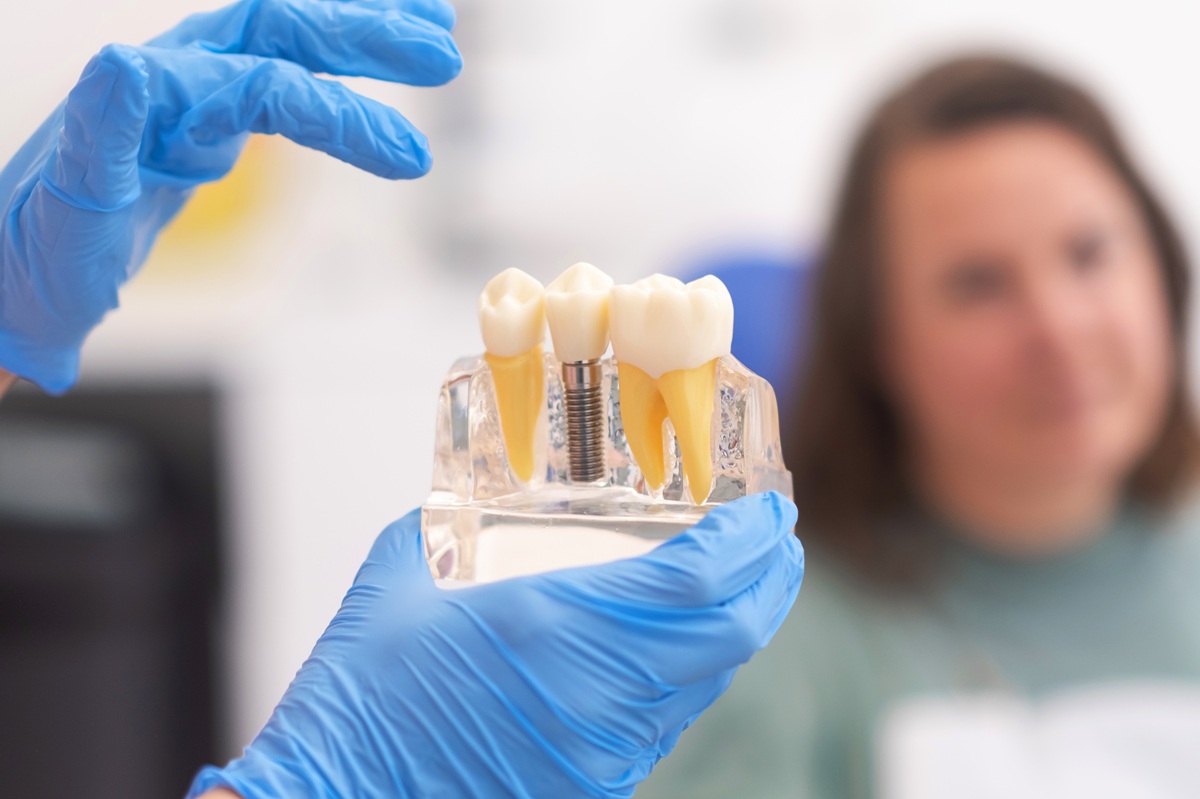
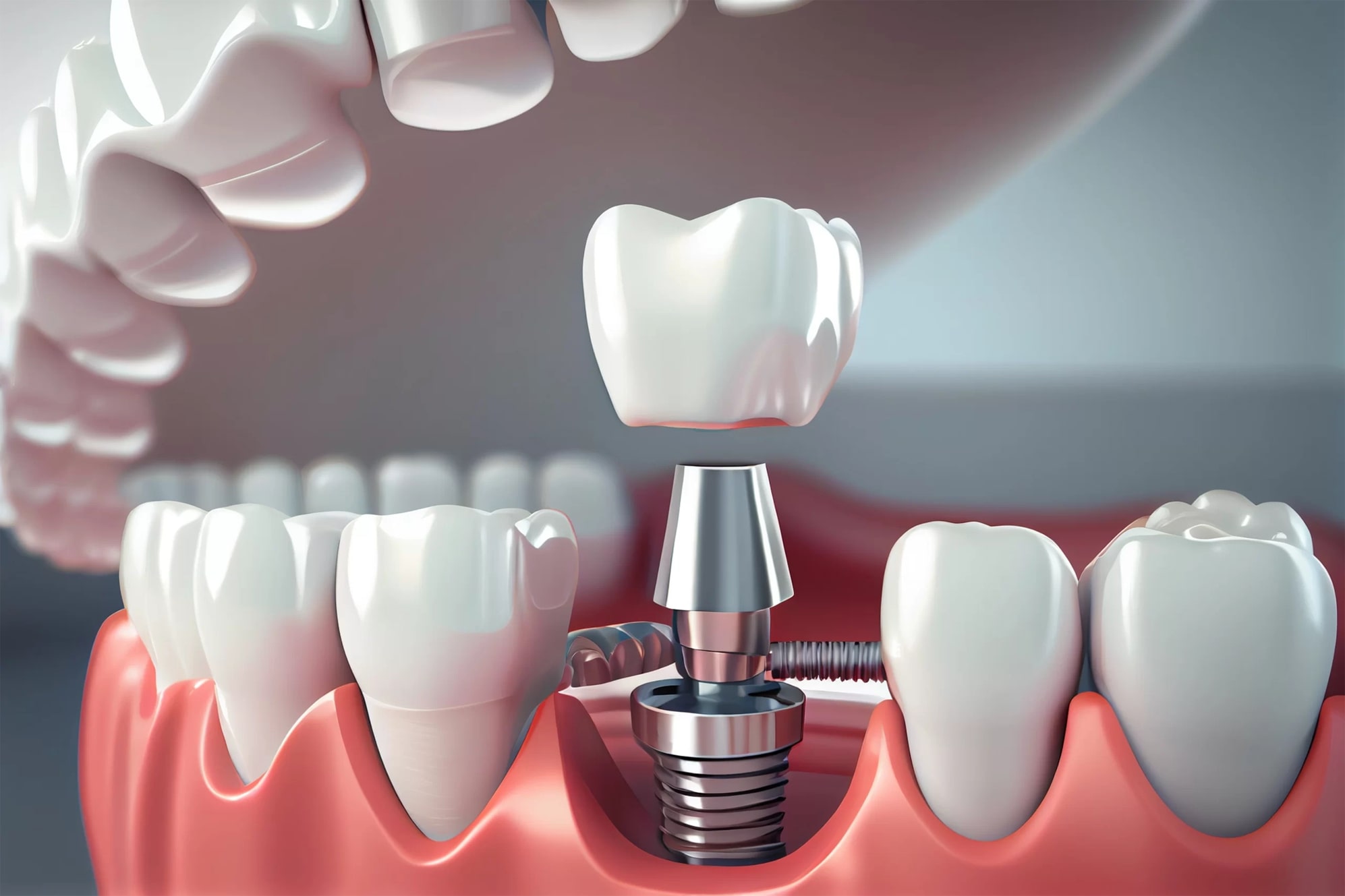
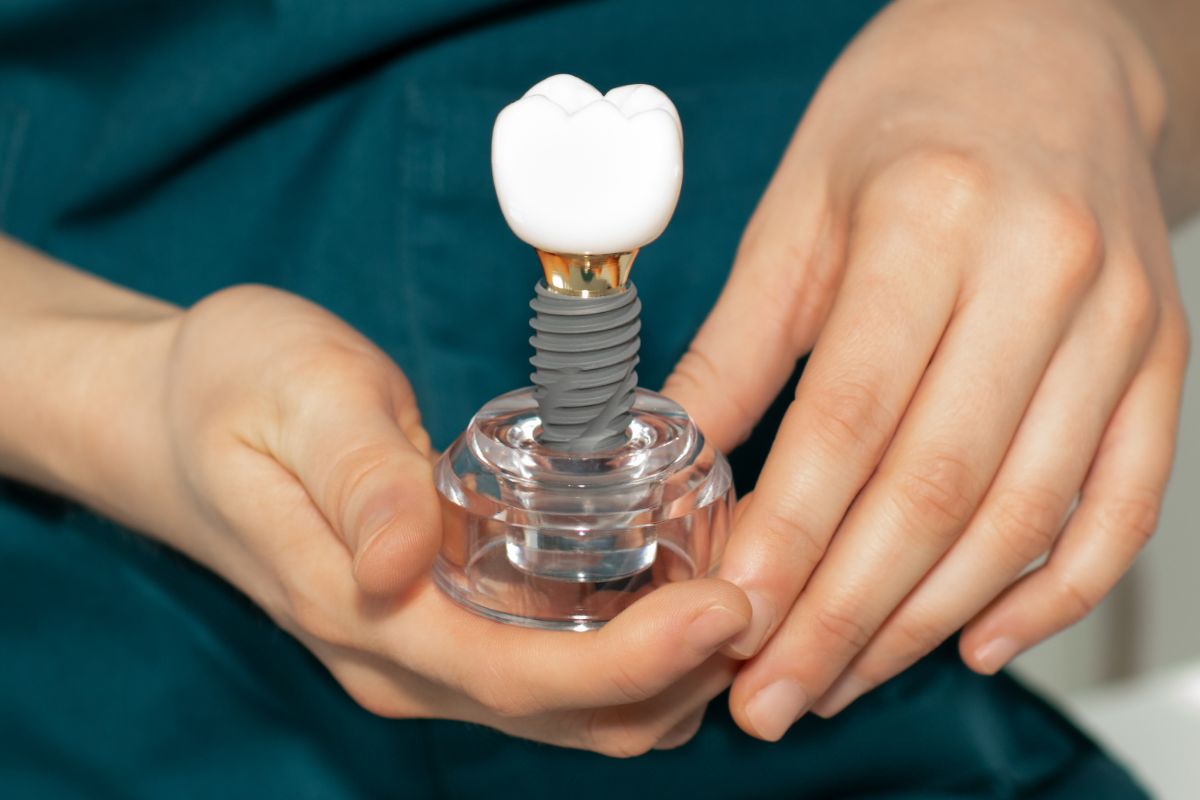
Imagine small titanium posts that go into your jawbone. They’re sturdy, they stay put, and once they’re in, they act just like the roots of your natural teeth. That means your new teeth sit on a solid foundation, and your smile feels just like it used to—maybe even better.
Now, not everyone’s a good fit for implants. Here’s what your dentist is looking for:
1. Good Oral Health
Your mouth needs to be in good shape. If your gums are healthy and you’ve kept up with dental care, you’re already off to a strong start. But if you’re dealing with gum disease or cavities, you’ll need to sort those issues out first. Your dentist will check everything and help you get back on track if needed.
2. Sufficient Bone Density
Your jawbone must be strong enough to support the implant. Sometimes, after years without a tooth, the bone can shrink. If that’s the case, bone grafting can often solve the problem. Don’t stress—your dentist can figure out if you need this and walk you through it.
3. Good Overall Health
Your general health matters too. Some chronic health conditions, such as diabetes or autoimmune diseases, can slow healing. Be upfront with your dentist about your health history so they can determine whether implants are safe for you. Sometimes, they’ll check with your doctor just to be sure.
4. Commitment to Proper Aftercare
One more thing: you’ve got to be willing to take care of your new teeth. That means brushing, flossing, regular check-ups—the whole routine. If you’re ready for this level of commitment, implants can stick with you for years, making them a really solid investment in your smile.
How do you know how fit you are as a dental implant candidate?
Thinking about undergoing a dental implant treatment in Denville, NJ? The first step is booking a visit with a dentist who knows the nitty-gritty of dental implants. They’ll check your mouth, your bone, your medical history, and help you decide if implants make sense for you. With all the treatment options and dental technology available today, most people who want implants can get them—as long as they’re willing to put in a little care.
So, if you’re curious about dental implants, don’t just wonder—get in touch with your dentist and set up a consultation. At Denville Dental Group, we’re ready to walk you through every step, from your first visit to your brand-new smile.
FAQs
1. How long does the dental implant procedure take?
The dental implant procedure typically takes a few months from start to finish. The surgery itself usually lasts 1 to 2 hours, but the healing process can take several months.
2. Are dental implants painful?
While some discomfort is normal after the procedure, most patients report minimal pain. Your dentist will provide recommendations for pain management and recovery.
3. How much do dental implants cost?
The cost of dental implants varies depending on several factors, including the number of implants, the type of restoration, and the complexity of the procedure. It’s best to discuss pricing with your dentist during the consultation.
4. Can anyone get dental implants?
Not everyone is a candidate for dental implants. Factors like oral health, bone density, and overall health play a role in determining eligibility. A consultation with a dentist is necessary to evaluate your situation.
5. How long do dental implants last?
Dental implants can last a lifetime with proper care and maintenance. Most implants last 15-20 years, and some can last even longer with good oral hygiene and regular dental visits.